Medical Bionics: The Fusion of Human and Machine Revolutionizing Modern Medicine
How advanced neuroprosthetics are transforming lives and redefining human potential
Brain-Machine Interfaces
Precision Control
Advanced Technology
The Dawn of the Bionic Age
Imagine controlling a sophisticated artificial limb as naturally as you blink or breathe. For millions of people worldwide, this is no longer science fiction but life-changing reality, thanks to the revolutionary field of medical bionics.
This interdisciplinary science represents one of the most exciting frontiers in modern medicine, creating innovative devices that seamlessly integrate with the human body to restore lost function, treat neurological conditions, and dramatically improve quality of life. From cochlear implants that restore hearing to advanced prosthetic limbs controlled by neural impulses, bionics represents a remarkable fusion of biology and technology 7 .
The global medical bionics market, valued at USD 21.1 billion in 2023, is projected to reach USD 36.7 billion by 2030, with a notable compound annual growth rate of 8.2% during 2025–2030 1 .
As both the proportion of older people and life expectancy increases globally, bionic technologies offer solutions to age-related degenerative diseases, disabilities, and traumatic injuries, allowing people to remain healthy and independent well into old age 8 .
Market Growth Projection
Projected growth of the global medical bionics market from 2023 to 2030.
The Building Blocks of Bionics: From Theory to Reality
What Are Medical Bionics?
Medical bionics, also known as neuroprosthetics, involves the development of active implantable devices designed to provide therapeutic intervention, sensory feedback, or motor function via electrical stimulation of nerves or muscles following trauma or disease.
These devices can also record electrical activity from nerve or muscle to detect disease states, enable voluntary control of prosthetic limbs, or provide closed-loop feedback to modulate neural function 3 .
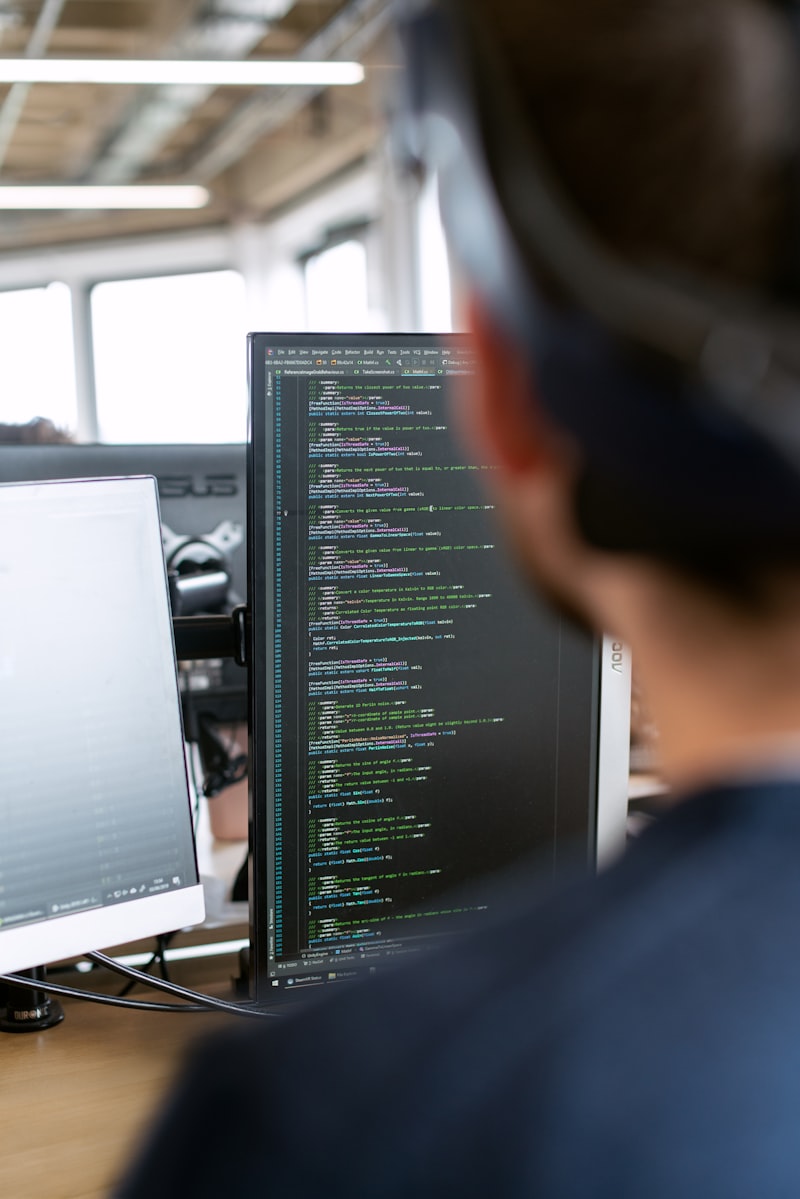
Core Technologies Driving the Bionic Revolution
Brain-Machine Interfaces
These systems allow direct communication between the brain and external devices, interpreting motor signals to control artificial limbs 8 .
Targeted Muscle Reinnervation
This surgical procedure redirects nerve pathways after amputation to create new interfaces for neural signal retrieval 2 .
Advanced Signal Processing
Sophisticated algorithms decode complex neural activity patterns associated with specific movement intentions 8 .
Biocompatible Materials
Specialized materials that safely interface with human tissues long-term, minimizing rejection 3 .
A Leap Forward in Precision: Inside a Groundbreaking Bionics Experiment
The Challenge of Intentional Control
Despite enormous progress over the past two decades, the precise intentional control of bionic prostheses has remained a significant challenge and the subject of intensive research. While existing prosthetic devices can restore basic function, they often lack the fine motor control and intuitive operation that would make them truly seamless extensions of the human body.
Methodology: A Novel Approach to Neural Detection
In 2025, scientists at the Medical University of Vienna and Imperial College London published groundbreaking research in the journal Nature Biomedical Engineering that addressed this challenge directly. As part of the Natural BionicS project funded by the European Research Council, the team developed an innovative method for detecting and utilizing the nerve signals remaining after arm amputation 2 .
Surgical Preparation
Three arm amputee participants underwent a surgical procedure known as Targeted Muscle Reinnervation (TMR). This technique redirects severed nerve pathways to remaining muscles, creating new biological interfaces for signal detection.
Advanced Electrode Implantation
Novel 40-channel microelectrodes were implanted in the reinnervated muscles of the participants. These high-density arrays provided unprecedented resolution for detecting neural activity.
Signal Acquisition and Processing
Participants were asked to mentally perform various movements with their "phantom" arm. During these mental exercises, the implanted electrodes detected the corresponding neural signals with exceptional clarity.
Signal Decoding and Mapping
Using advanced computational algorithms, the research team decoded these neural patterns and linked them to specific movement intentions such as finger extension or wrist flexion 2 .
Results and Significance: Unprecedented Precision
The results represented a quantum leap in bionic control technology. For the first time, researchers successfully directly measured the activity of individual motor neurons—the nerve cells in the spinal cord that transmit movement commands to muscles—and connected their signal patterns to specific movement intentions 2 .
"Using our method, we were able to precisely identify the nerve signals that underlie, for example, the stretching of a finger or the bending of the wrist," explained Professor Aszmann 2 .
Movement Interpretation Accuracy
| Movement Type | Signal Detection Accuracy | Key Applications |
|---|---|---|
| Finger stretching | High precision identification | Fine motor control |
| Wrist bending | Clear signal differentiation | Basic grip positioning |
| Multiple joint movements | Complex pattern recognition | Natural, coordinated motions |
Bionic Control Technologies Comparison
The Scientist's Toolkit: Essential Technologies in Bionic Research
The remarkable advances in medical bionics rely on a sophisticated array of specialized tools and technologies. These components form the essential toolkit that enables researchers to interface with the human nervous system and create increasingly natural bionic replacements.
| Tool/Technology | Primary Function | Research Application |
|---|---|---|
| Multi-channel microelectrode arrays | Neural signal detection | Records activity from individual motor neurons with high spatial resolution 2 |
| Targeted Muscle Reinnervation (TMR) | Biological signal amplification | Creates new neural interfaces for clearer signal detection 2 |
| Machine learning algorithms | Neural decoding | Interprets complex neural patterns into specific movement commands 8 |
| Biocompatible encapsulation materials | Device protection | Shields implanted electronics from body fluids while being tissue-friendly |
| Wireless transmission systems | Data and power transfer | Enables communication with external devices without physical connections 2 |
Research Applications Distribution
The Promise of Wireless Implants
Current bionic research is increasingly focused on developing fully wireless implants that can transmit nerve signals directly and in real-time to bionic hands or other assistance systems. The 2025 study laid crucial groundwork for this future direction by demonstrating that highly differentiated nerve signals can be accurately detected and interpreted 2 .
The Future of Bionics: From Restoration to Augmentation
Emerging Trends and Technologies
Closed-Loop Systems
Current bionic devices primarily operate in one direction—from the brain to the prosthesis. The next generation of "closed-loop" systems will incorporate sensors that provide tactile feedback to the user, creating a bidirectional communication channel that restores the sensation of touch 8 .
Human Augmentation
While initially developed to restore lost function, bionic technologies are increasingly being explored for human augmentation—enhancing natural abilities beyond typical human capabilities. This raises important ethical questions about equity, access, and what it means to be human 8 .
Advanced Biomaterials
Research in regenerative medicine is producing increasingly sophisticated biocompatible materials that better mimic natural tissues. These advances are enabling the development of more integrated bionic devices with improved long-term stability and functionality 9 .
AI and Machine Learning
Artificial intelligence is accelerating progress in bionics by enabling more sophisticated interpretation of neural signals and adaptive control of prosthetic devices. These systems can learn and adapt to individual users' movement patterns and preferences 9 .
Ethical Considerations in the Bionic Age
- Equity and Access 1
- Human Enhancement 2
- Privacy and Security 3
- Identity and Agency 4
The rapid advancement of bionic technologies brings with it important ethical considerations that society must address, including concerns about equitable access, human enhancement beyond therapeutic applications, privacy of neural data, and impacts on personal identity and autonomy 8 .
Future Applications Timeline

The Path Forward
The field of medical bionics stands at a remarkable inflection point. What began as basic prosthetic replacements has evolved into sophisticated bio-electronic systems that restore increasingly natural function and communication between humans and machines.
As global populations age and the prevalence of chronic conditions increases, the importance of bionic technologies in maintaining quality of life and independence cannot be overstated. While challenges remain—including improving affordability, enhancing long-term reliability, and addressing ethical concerns—the trajectory of progress is clear.
In the convergence of biology and technology, we are discovering new ways to preserve and enhance human dignity, one innovation at a time.